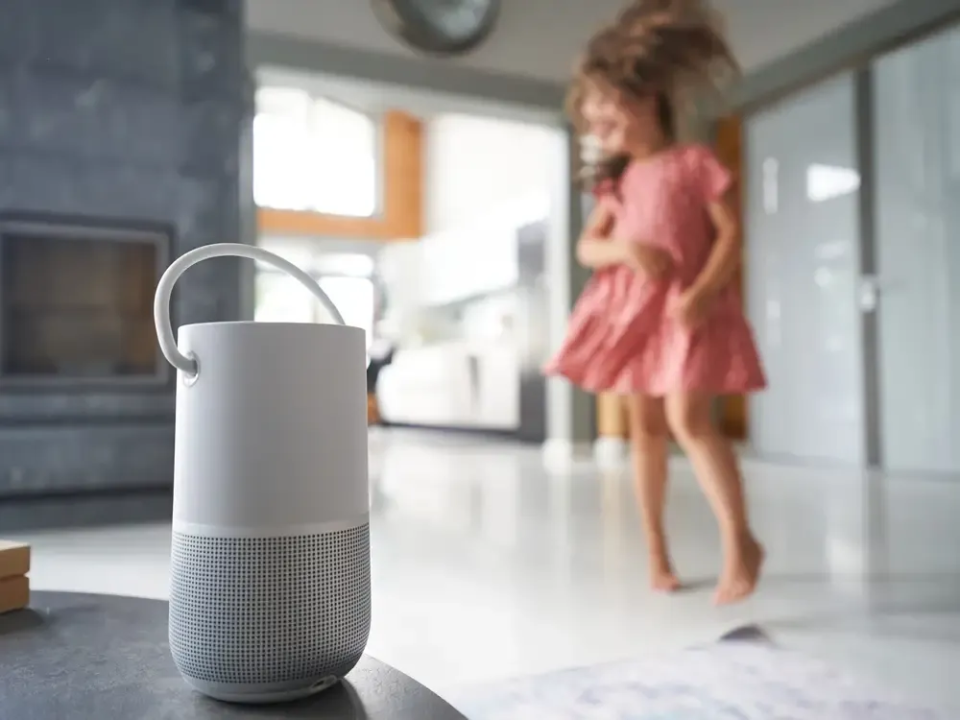
Hey parents and teachers reading along, let’s pause for a moment and breathe. AI is no longer a distant concept that belongs to the future. It is already part of our homes, part of our routines, and part of our children’s everyday lives. It sits at our dinner tables through smart speakers, rests in tiny hands through mobile phones, and quietly appears during homework time when a child searches for answers online.
Your six-year-old may ask Alexa to tell a bedtime story about flying elephants. Your eight-year-old may type a question into a chatbot while pretending to research planets for school. In many private English-medium schools in Chennai, and even more visibly in Kolkata, children as young as Class II or III are already being introduced to AI tools as part of classroom learning.
It feels exciting in many ways. Opportunities that we never had are opening up for our children. Information arrives faster. Explanations are clearer. Curiosity can be explored instantly. Yet there is also a quiet discomfort that many parents hesitate to voice. What happens when children stop struggling with problems because answers appear instantly? What happens when the joy of discovery slowly fades because technology does the thinking for them?
These questions feel very real right now. That is why the recent guidance released by the Early Childhood Association and the Association for Preparatory Education and Research feels so timely and reassuring. Led by education expert Swati Popat Vats, these organizations have created practical and easy-to-understand documents that help parents, teachers, and young children approach AI with awareness and balance.
These are not heavy academic reports. They are warm, thoughtful, and practical guides designed for everyday use. Their aim is simple. Introduce AI in a way that supports learning, while protecting a child’s natural thinking and creativity.

The Core Principle That Matters Most
AI can be a powerful helper. It can explain difficult ideas in simple language. It can offer examples. It can suggest ways to begin a story. It can help a child see a topic from another angle. Used wisely, it can build confidence and curiosity.
But one boundary is very clear. AI must never complete a child’s actual schoolwork.
Homework, creative writing, art projects, science assignments, and personal reflections must come from the child. These experiences shape thinking, patience, imagination, and resilience. When a child struggles and then finally understands something, that learning stays with them for life.
Struggle is not a weakness in childhood. It is part of growth. Trial and error, frustration, and eventual success build independence and self-belief. When technology steps in to do the work, the child loses the chance to think deeply and create something original.
There is also an emotional side to this. Children feel proud when they know something came from their own effort. They feel ownership. They feel capable. If AI becomes the invisible doer behind their homework, that sense of ownership slowly fades.
Why This Moment Feels Like a Turning Point
We often think we are preparing children for the future, but in truth the future has already arrived. First came mobile phones. Then came smartphones and apps. Then came voice assistants. Now generative AI is everywhere.
Most parents respond only after problems appear. Screen time increases. Sleep patterns change. Attention spans shorten. Children become impatient when answers do not arrive instantly. Many adults quietly wonder if children are thinking as deeply as they once did.
The guidance from ECA and APER highlights something important. Children are already interacting with AI every day, often without realizing it. They talk to smart devices, use learning apps that suggest next steps, and search for answers that are generated by intelligent systems.
This is not a distant trend. It is already shaping how children learn, ask questions, and solve problems.
Waiting until middle school to talk about AI means the habits are already formed. That is why some schools in Kolkata, Chennai, and Bengaluru have started sharing these guidelines with teachers and organizing parent discussions. The goal is to begin early and gently. Children should grow up understanding AI, not depending on it blindly.
In India, the urgency is growing. Educational boards are slowly introducing AI literacy in early classes. Schools want to stay relevant. Parents want their children to keep up. The question is not whether children will live with AI. They already do. The real question is how they will relate to it.
Will they become thoughtful users who question and verify? Or will they become passive users who accept every answer without thinking?
Simple Rules Children Can Understand
One of the most powerful parts of the guidance is its simplicity. Instead of long warnings, the principles are shared in ways children can understand and remember.
Children need rules that feel friendly, not frightening. When lessons feel relatable, they stay in the mind.
The first rule is about trust. Children should learn that AI can be helpful, but it can also be wrong. It may give outdated information. It may reflect bias. It may present guesses as facts. Teaching children to double-check information builds awareness and critical thinking.
The second rule is about kindness and responsibility. AI can generate text, images, and messages quickly. Children must understand that these tools should never be used to hurt, embarrass, or mislead others. Digital actions carry real emotional impact.
The third rule is about balance. Screens have a place in learning, but real life must stay at the centre. Outdoor play, reading physical books, drawing, building, talking with family, and simply being bored are all important parts of development.
Many families are beginning to experiment with simple habits. Tech-free evenings. Shared reading time. Conversations without devices. These small steps bring back connection and presence.
The Role of Teachers in This Transition
Teachers are facing a new challenge. They must prepare children for a world where AI exists, while also protecting fundamental learning skills.
The guidance compares this process to teaching a child to swim. You do not push them into deep water immediately. You begin slowly. You stay close. You build confidence step by step.
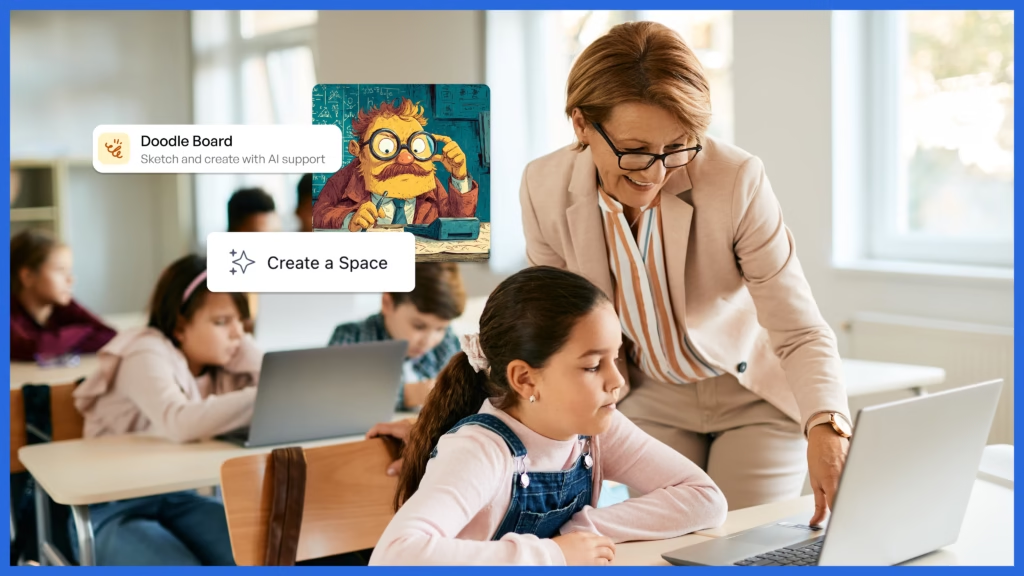
Teachers can start with tools children already recognize, such as voice assistants and learning apps. They can show how AI explains ideas clearly. They can also demonstrate its mistakes. When children see both sides, they learn to think instead of blindly trusting.
AI can be used for brainstorming and exploring ideas in groups. It can help start conversations. But the final work must always belong to the student. Writing, drawing, and problem solving must remain personal efforts.
This gradual introduction respects how children actually learn. Understanding develops through repetition, effort, and reflection.
Parents Remain the Strongest Influence
Technology may be everywhere, but parents still shape a child’s mindset more than any device.
Children watch how adults use screens. They observe habits. They listen to tone. They absorb values.
If parents treat AI as a shortcut, children will do the same. If parents use it thoughtfully, children learn to pause and think.
Parents do not need to become technology experts. They simply need to stay present. Sitting nearby during homework, asking gentle questions, and showing curiosity about what children are learning makes a difference.
Celebrating effort matters more than praising perfect answers. When children feel safe making mistakes, they keep trying.
Setting boundaries is also important. These boundaries should feel like protection, not punishment. When explained calmly, children understand that limits are meant to keep them safe.
Emotional Development in an AI World
One area that often goes unnoticed is emotional development. When answers arrive instantly, patience reduces. When entertainment is constant, imagination weakens. When interactions happen through screens, empathy needs conscious nurturing.
Children learn emotional skills through real experiences. They learn to share, wait, listen, and respond. They learn to manage disappointment and handle success.
These lessons cannot be replaced by technology.
Family conversations, shared routines, and face-to-face play remain essential. Even simple moments like cooking together or walking outside help build emotional strength.
Preparing Children for a Future with AI
AI will continue to grow. It will become faster, smarter, and more present in daily life. Schools will adopt it. Workplaces will rely on it. Society will change around it.
The goal is not to keep children away from it. The goal is to help them engage with it wisely.
Children should see AI as a tool, not as a thinker. They should know that their own voice matters. Their ideas matter. Their imagination matters.
Encourage children to ask questions. Encourage them to verify information. Encourage them to express opinions and create independently.
These skills will help them not only in school, but in life.


Final Thoughts
We are all learning together. Parents, teachers, and children are navigating this new world side by side. There is uncertainty, but there is also opportunity.
If guided thoughtfully, AI can support curiosity and learning. If left unchecked, it can quietly replace effort and originality.
The responsibility lies with adults to create balance. Conversations at home matter. School guidance matters. Small everyday choices matter.
Talk to your child about what they see online. Ask what they learned. Ask how they found information. Ask what they think about it.
These conversations build awareness. They build confidence. They build independence.
Children do not need perfection from us. They need presence, honesty, and guidance.
The future is arriving quickly, but childhood still needs time, patience, imagination, and human connection.