What if the way we were taught to eat is no longer suitable for the way we live?
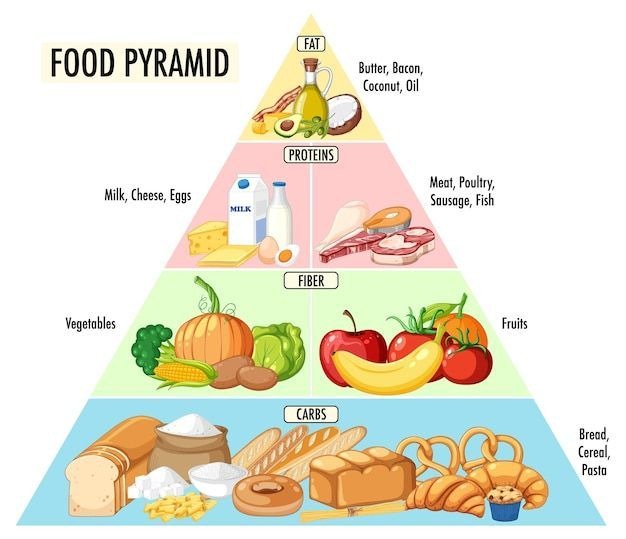
For decades, we have followed the same nutrition structure without questioning it. Carbohydrates at the base. Fruits and vegetables next. Proteins above that. Fats at the top. This model guided school textbooks, diet charts and family meal planning.
But that structure was designed for a generation that lived very differently from us.
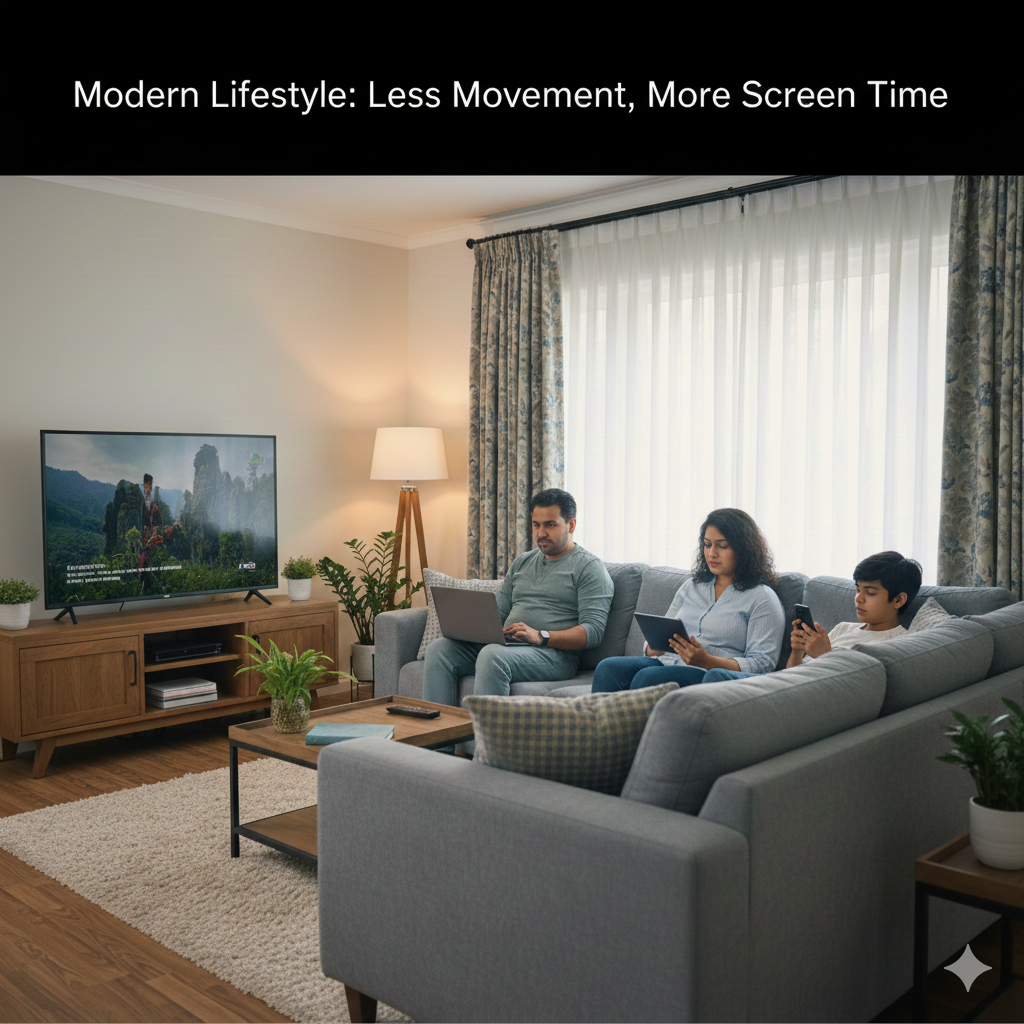
Today, our lifestyles are more sedentary. Movement has reduced. Screen time has increased. Yet our plates still look the same.
Is it time to rethink the food pyramid?
The Lifestyle Shift We Cannot Ignore
The original food pyramid was created during a time when daily life involved constant movement. Physical activity was part of work, travel and recreation. Energy needs were higher because people were naturally more active.
Today, most people live differently.
- Long hours of sitting at desks
- Increased screen time for children and adults
- Limited outdoor activity
- Reduced sunlight exposure
When physical movement decreases, the body’s energy requirement also changes. However, our food patterns often remain the same.
Are We Eating Too Many Carbohydrates?
In many Indian households, meals are still centred around rice, chapati or other grain-based foods. Carbohydrates are important because they provide energy. But when activity levels are low, excess carbohydrates may not be used efficiently by the body.
Over time, this imbalance can contribute to:
- Weight gain
- Constant tiredness
- Blood sugar fluctuations
- Increased risk of lifestyle diseases
The concern is not about removing carbohydrates completely. It is about rethinking quantity and balance.
The Growing Importance of Protein and Micronutrients
Modern nutrition research highlights the need for adequate protein and essential nutrients. These are critical for growth, immunity and overall body function.
Protein helps:
- Build and repair muscles
- Support immune health
- Improve satiety and reduce overeating
Micronutrients such as vitamins and minerals support brain function, energy production and overall development. Unfortunately, many daily diets are low in these essential elements.
At the same time, processed foods and refined carbohydrates have increased in regular consumption. This further reduces the overall nutritional quality of meals.
Has the Food Pyramid Flipped?
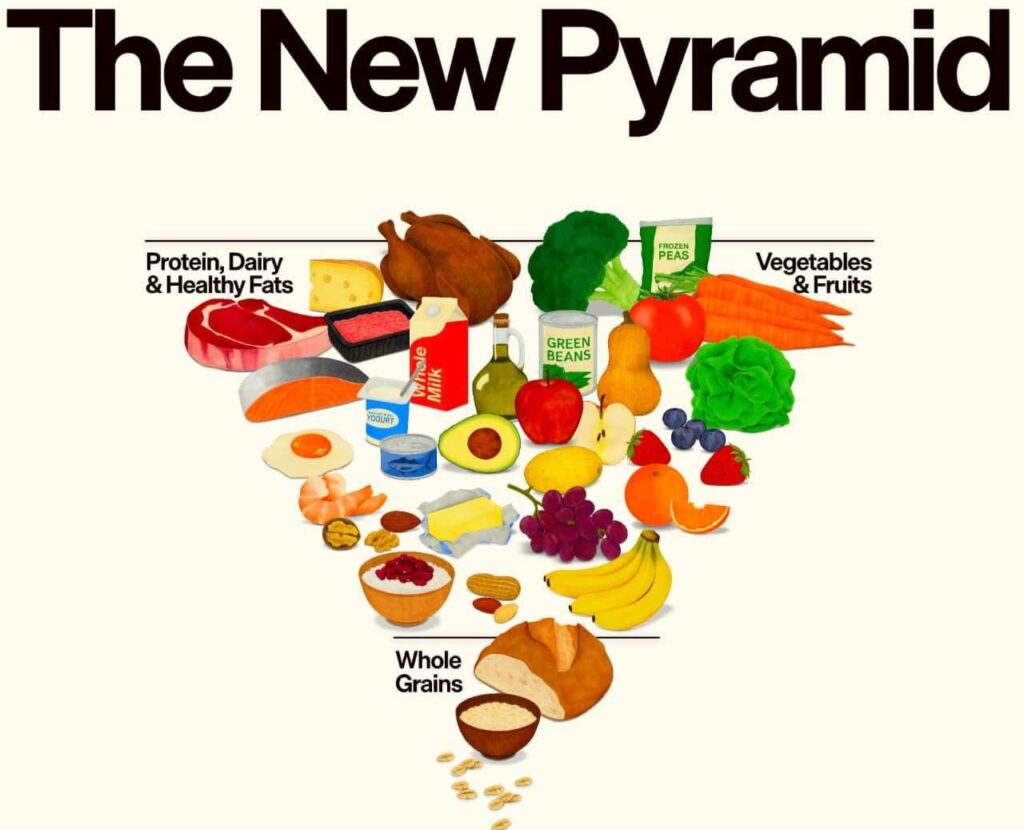
Some health experts now suggest that the structure of the traditional food pyramid may need adjustment to match modern lifestyles.
Instead of carbohydrates forming the largest portion of the diet, there may be greater benefit in prioritising:
- High-quality protein sources such as pulses,eggsand dairy
- A variety of vegetables and seasonal fruits
- Healthy fats in moderate amounts
- Whole, minimally processed foods
Refined carbohydrates and sugary foods may need to move to the top, meaning they should be consumed in limited quantities.
This approach does not reject traditional foods. It encourages portion awareness and smarter combinations.
Should Nutrition Education Be Updated?
School textbooks still largely follow older nutritional models. While the basic principles remain valuable, lifestyle patterns have changed significantly. Children today face higher exposure to processed foods and lower levels of physical activity.
Nutrition education must reflect current realities. Updated guidance can help families make informed and balanced food choices that suit modern living conditions.
Moving Towards Smarter Eating Habits
Healthy eating is not about following old rules without question. It is about adapting to change. As lifestyles evolve, food habits must also adjust.
A balanced approach today may include:
- Moderate carbohydrate intake
- Adequate daily protein
- Increased fibre consumption
- Limited processed food
- Regular physical activity
The goal is not to discard tradition, but to align it with present needs. When food choices match lifestyle demands, long-term health becomes more achievable.
Revisiting the food pyramid may be the first step towards building a healthier generation.