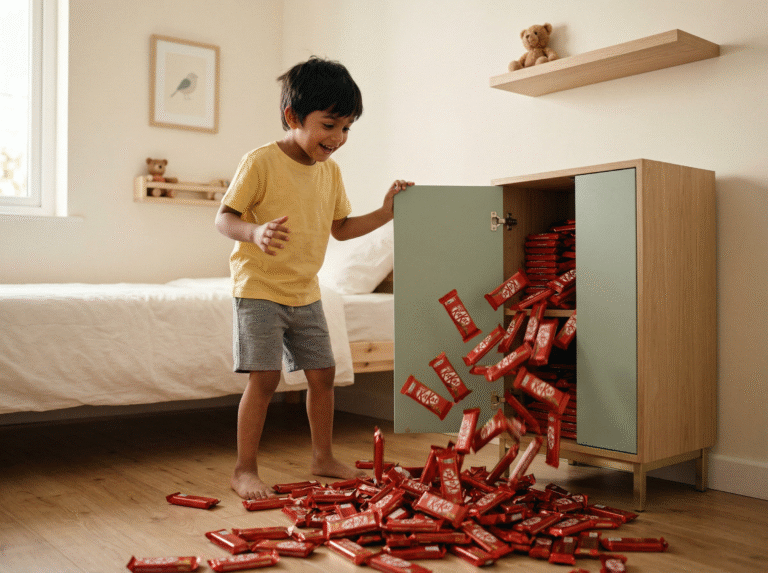
A simple chocolate bar made headlines recently—and suddenly, everyone had an opinion.
From social media debates to WhatsApp forwards, the KitKat conversation spread quickly. But if you look closely, this wasn’t just about a product. It was about something much bigger—awareness.
People are asking more questions today. They want to know what they’re consuming, where it comes from, and whether it aligns with their values.
And here’s the interesting part—children are watching all of this.
At Caprics Learning Lab, we see this as a powerful shift. Because awareness isn’t just a trend anymore—it’s becoming a life skill.
Rising Consumer Awareness
Think about how differently we make decisions today compared to a few years ago.
Before buying anything, we check reviews, watch videos, read comments, and sometimes even research the brand. Awareness has become a natural part of decision-making.
The KitKat discussion is just one example of how quickly people come together to question and analyze. This shows that we’re moving from being passive consumers to active thinkers.
Now imagine this environment for children.
They’re growing up in a world where information is everywhere—and opinions are louder than ever. This makes it even more important for them to learn how to process information, not just receive it.
Children Are Observing More Than We Think
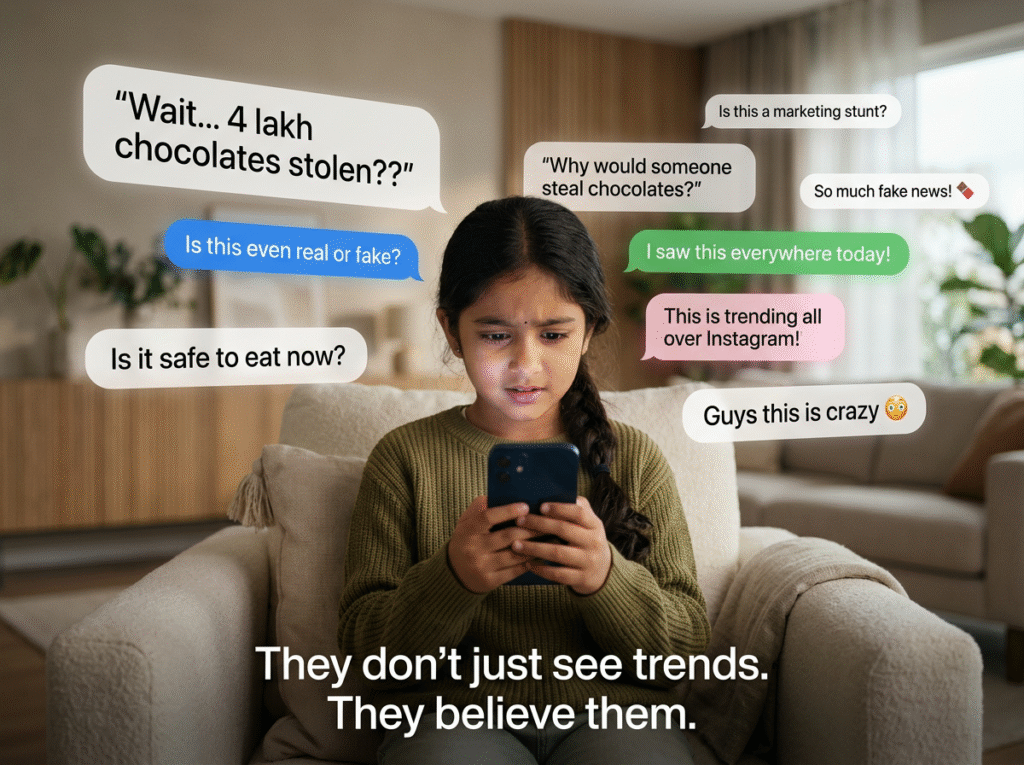
Children today are far more perceptive than we often assume. They listen to conversations at home, observe digital content, and absorb opinions from peers and media. Even when they do not fully understand a topic, they begin forming impressions based on what they see and hear.
A discussion about a trending issue like KitKat may seem trivial to adults, but for children, it becomes an entry point into understanding concepts like trust, truth, and accountability.
They start asking questions:
- Why are people talking about this?
- Is something wrong with the product?
- Who decides what is right or wrong?
These early observations play a crucial role in shaping their thinking patterns. If guided correctly, they can develop curiosity and awareness. If ignored, they may develop confusion or misinformation.
This is why it is important for both parents and educators to recognize that children are not just passive learners—they are active observers of the world around them.
Are We Teaching Children to Question?
Let’s be honest—most classrooms still focus on giving answers.
But in today’s world, asking questions is far more important.
When children don’t question, they accept information as it is. But when they do, something powerful happens—they start thinking.
Imagine a classroom where students feel comfortable asking:
“Why does this happen?”
“Is there another way to look at this?”
“What do I think about this?”
That’s where real learning begins.
At Caprics Learning Lab, we believe curiosity should never be suppressed. Because every question a child asks is a step toward awareness.
The Problem with Surface-Level Learning
A student learns a chapter, writes an exam, scores well—and then forgets it.
This is what we call surface-level learning.
It works for marks, but not for life.
Because real life doesn’t ask:
“What is the definition?”
It asks:
“What do you understand?”
Learning should not stop at knowing. It should move toward understanding and applying.
Building Awareness Through Education
So how do we actually build awareness in students?
Start by connecting lessons to real life.
Encourage discussions, not just answers.
Let students express opinions—even if they’re incomplete.
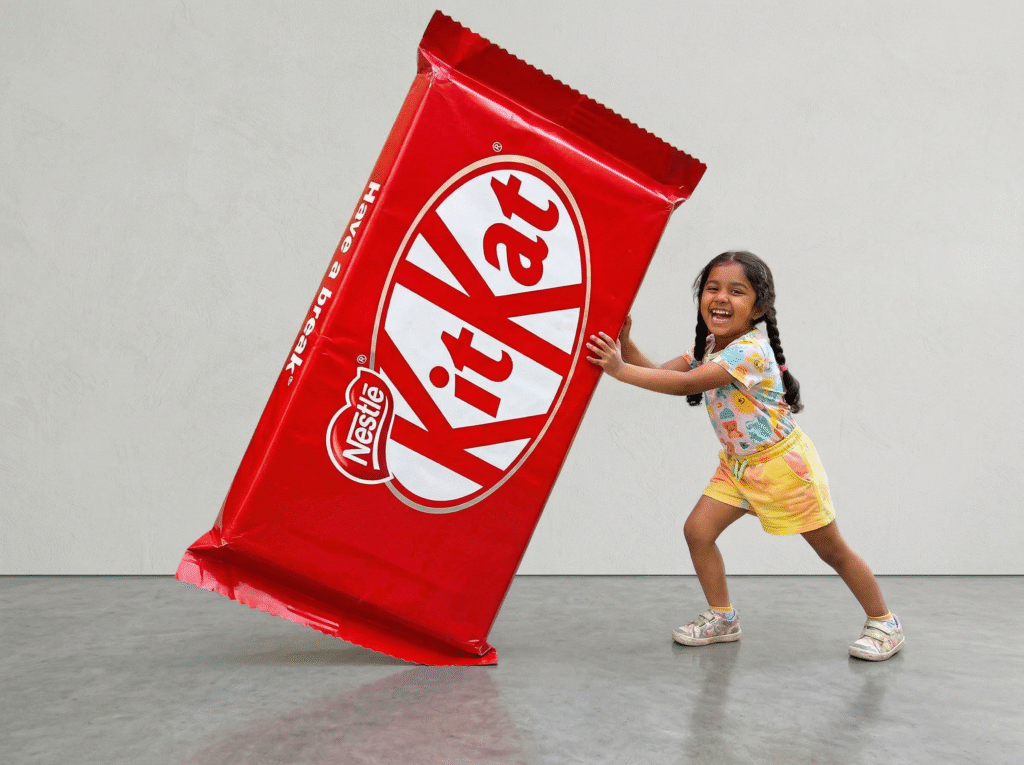
Take something like the KitKat trend. Instead of ignoring it, we can use it as a discussion point:
Why do topics go viral?
How do people form opinions?
Can we trust everything we see online?
At Caprics Learning Lab, this is exactly what we focus on—learning that connects with life, not just exams.
The Role of Schools Today
Schools today have a bigger responsibility than ever before.
It’s no longer just about completing the syllabus. It’s about preparing students for a world that is constantly changing.
This means helping students:
- Think independently
- Ask questions confidently
- Understand deeply
Teachers are not just educators anymore—they are guides who shape how children see the world.
And schools that embrace this shift will stand out—not just for results, but for the kind of individuals they nurture.
Final Thought: Awareness is the New Education
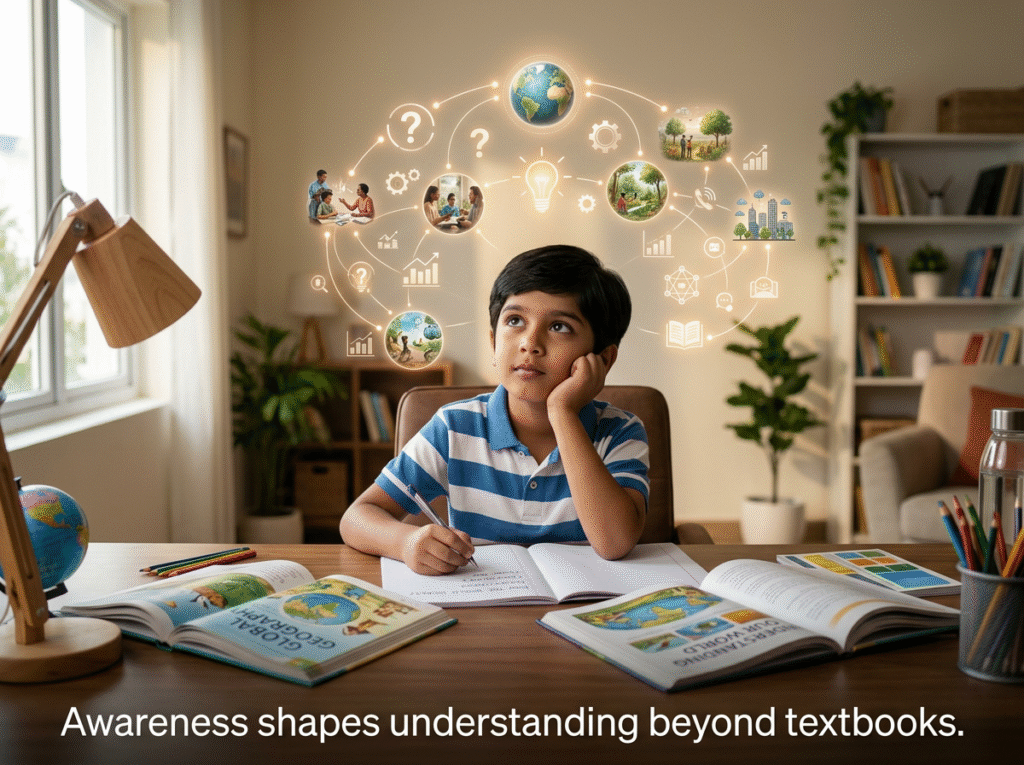
If there’s one thing recent trends have shown us, it’s this—awareness is powerful.
It shapes opinions.
It influences decisions.
It builds confidence.
And most importantly—it prepares students for real life.
At Caprics Learning Lab, we believe education should do more than teach—it should transform the way children think.
Because in the end, it’s not just about what students know.
It’s about how aware they are of the world around them.